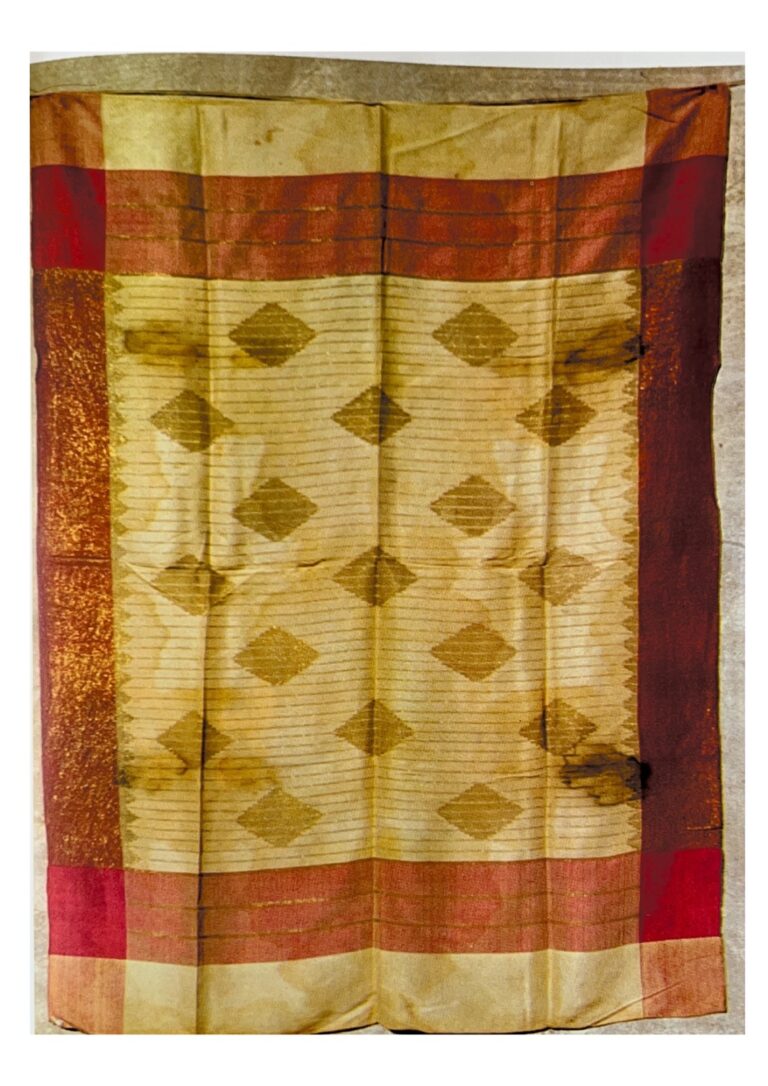
SILK (İPEK)
Silk fabric is believed to have originated in China in the 3rd millennium BCE, when the fibers from a silkworm cocoon accidentally dissolved in hot water. This discovery is credited to the wife of Emperor Huang Di, Leizu, and marks the beginning of silk fabric production.
For many years, the secret of silk production was closely guarded. However, in the 6th century, silk production spread beyond China, thanks to silkworm eggs smuggled into the Byzantine Empire. By the 16th century, the Ottoman Empire had become a significant producer of silk.
Silk fabric has been a symbol of quality, elegance, and sophistication in all types of textiles representing Anatolia, and is used in both inner and outer garments. It continues to embody refinement and beauty in clothing throughout history.