FEZ
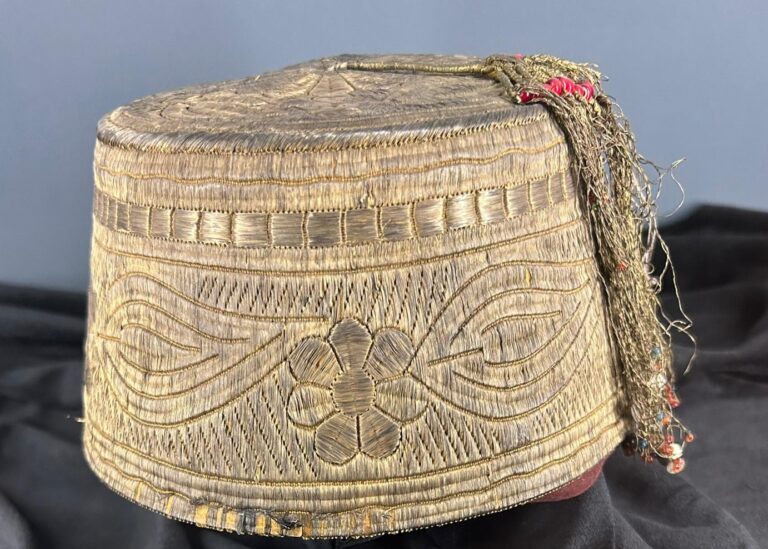
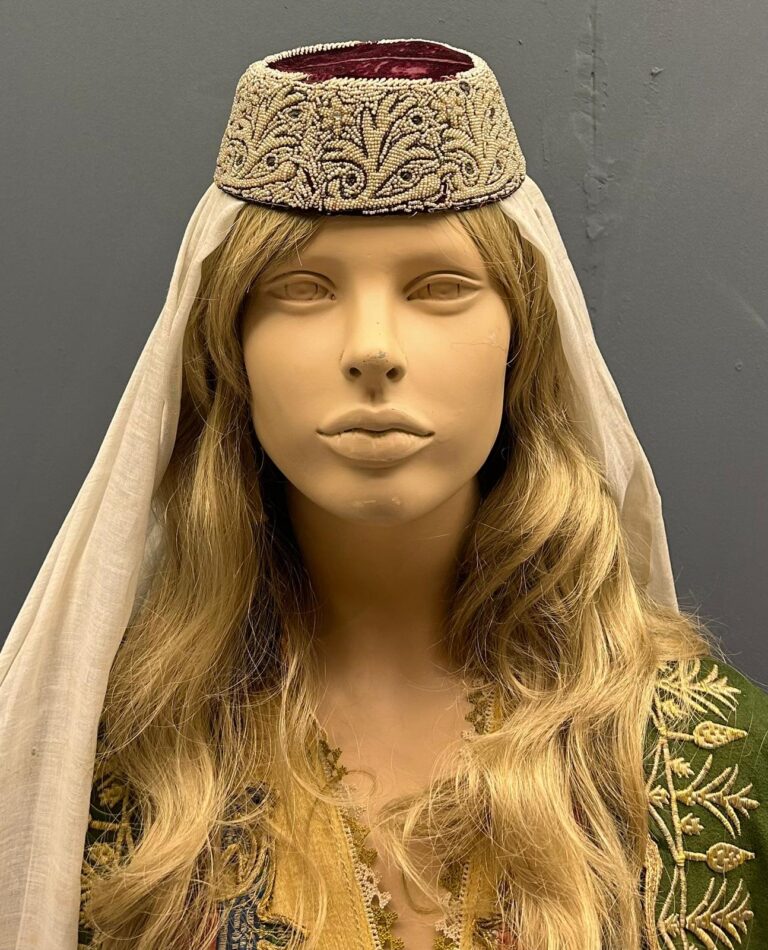
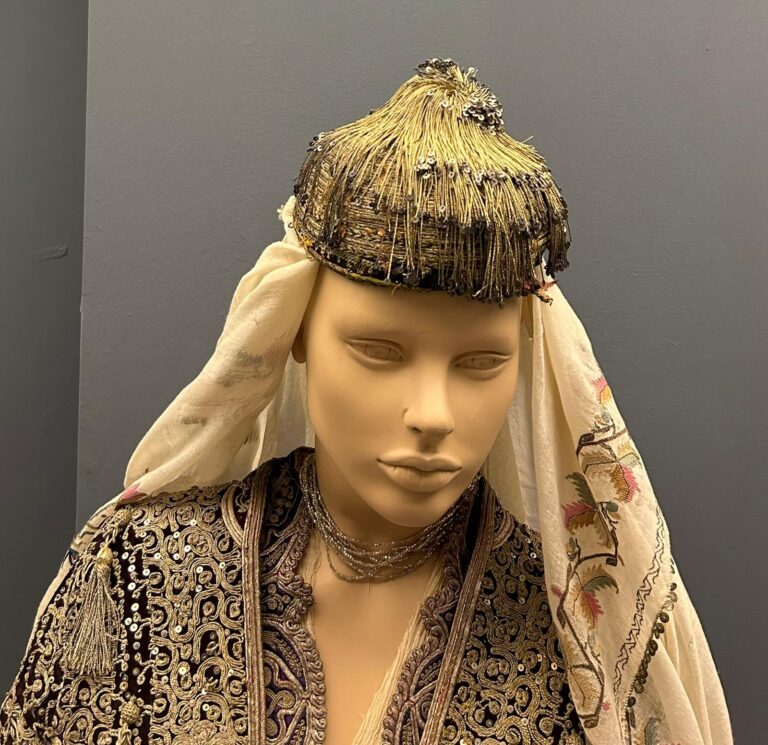
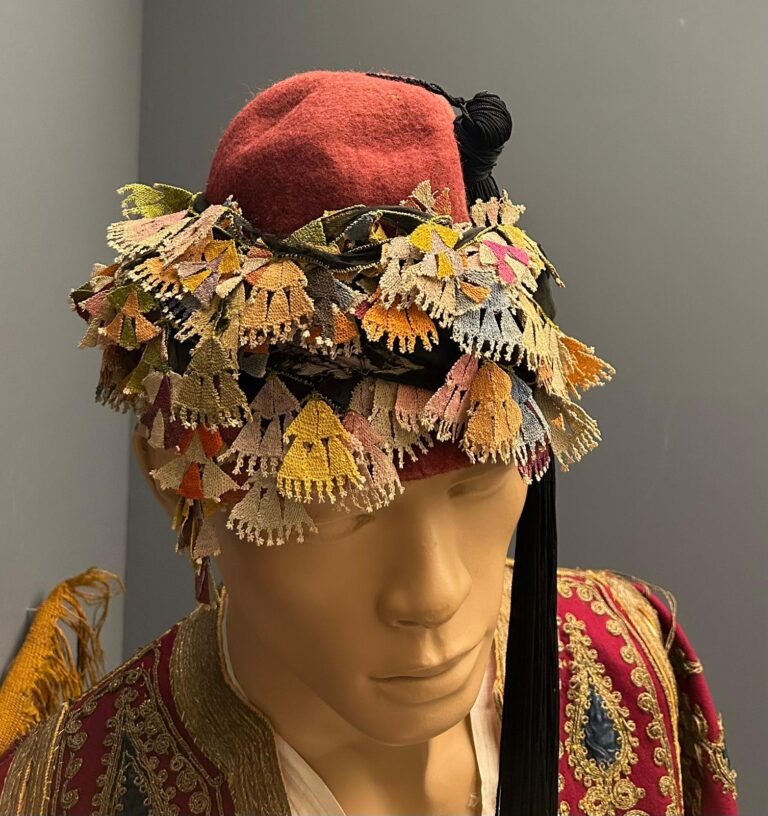
Although the fez was officially accepted as a men's garment in 1826 during the reign of Sultan Mahmud II, it holds a significant place in Anatolian culture as an ethnographic clothing item used by women, men, and children alike. The women's fez covers the top of the head while leaving the hair exposed. The embellishments on the fez, including seed pearls, strings of pearls, precious stones, coins, and medallions with the sultan's insignia, add a textural richness to the fabric. These adornments transform the fez into a piece of art that reflects the woman's status, marital status, and wealth. The fez is also considered a complement to a woman's elegance, serving as a carrier for her jewelry, headpieces, and cheek earrings.
References:
Sabiha Tansuğ Ethnography Museum Archive. (n.d.).