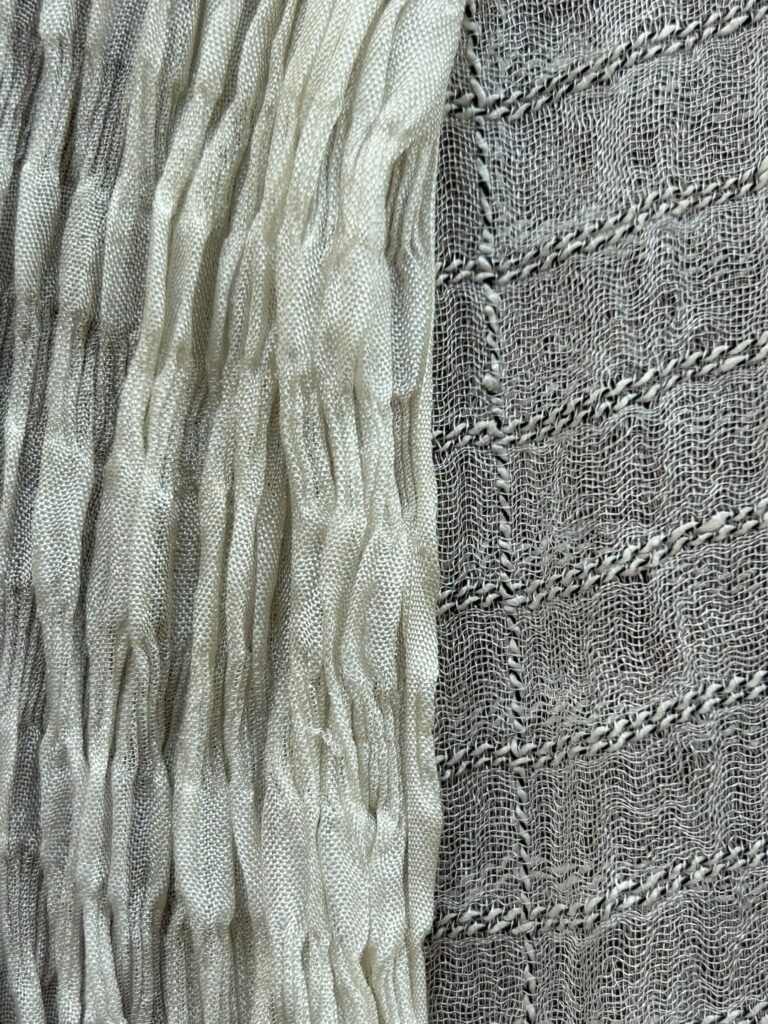
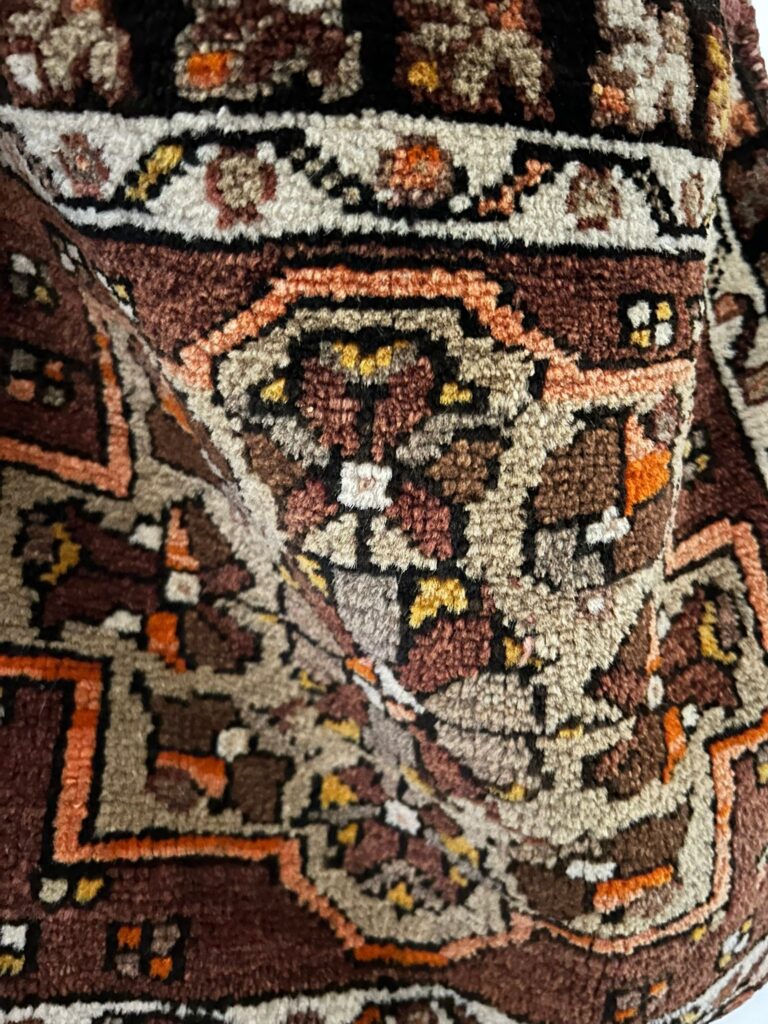
WEAVING
It is known that weaving began around 20,000 BCE with the intertwining of tree branches using the over-and-under technique. Later, the separation of reeds and tree fibers into strands enabled the creation of woven fabrics. During the Neolithic period, textiles were produced using plants like flax and hemp to make protective clothing. Excavations at Alacahöyük uncovered clay loom weights and figurines associated with weaving, as well as clothing details on reliefs, which date back to as early as 9000 BCE. These findings provide significant insights into Neolithic culture.
An example of humanity's creative pursuit of aesthetics can be seen in the Museum of Fine Arts in Boston, Massachusetts. In the Egyptian Art section, a sheer fabric made by piercing lion skin, dated to around 1600 BCE, is displayed in a bulletproof glass case.
Throughout history, young women have expressed their emotions and thoughts through the colors, patterns, and fabrics they used, contributing to the richness of Anatolian folk culture.
"I threw a thread, the end remained
The comb held its strength.
I loved, another claimed;
In the heart, sorrow remained."
This lament, voiced through the language of the loom, speaks of a pure heart's love and longing.
Referances:
Yağan, Ş. Y. (1978). Turkish hand weaving. İş Bankası Cultural Publications. Istanbul.
Özdoğan, M., & Başgelen, N. (2007). The Neolithic period in Turkey. Archaeology and Art Publications. Istanbul.